TL;DR
With Sony's decision to stop producing physical games, we lose not just access to titles, but the emotional ties and memories that come with tangible copies. Let's explore the implications of this shift and what future generations may miss.
Introduction: A Shift in Gaming Culture
As gamers, we've often reveled in the joy of unwrapping a new physical game, feeling that rush of nostalgia as we hold a tangible copy of our favorite title in our hands. But with recent news that Sony will no longer print physical video games, it feels like we're at a crossroads in gaming culture — a point where nostalgia bumps up against the relentless push toward a digital-only future. In this article, we'll dive into the implications of this trend and how it affects both us and future generations.
The Joy of Ownership
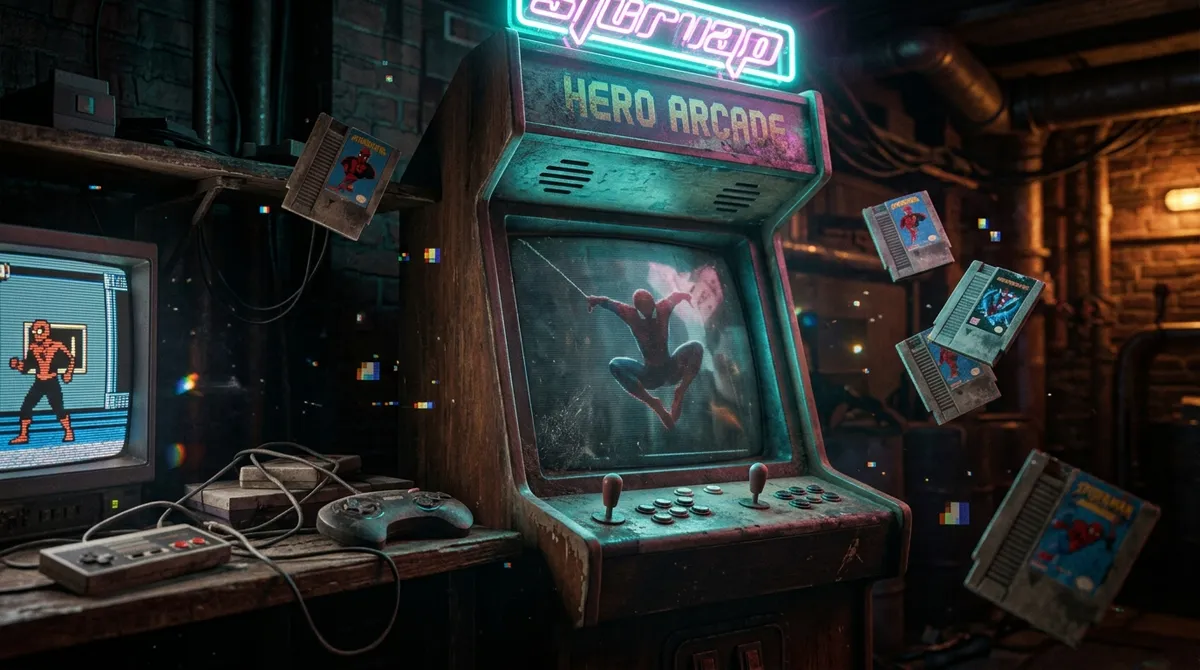
Owning a physical game goes beyond simply having access to a title. Each cartridge, disc, or case carries with it a history; the places you've played, friends you've shared games with, and the late-night adventures on your couch with snack wrappers scattered around. The physical presence of games acts as a memory keeper, each tangible item a snapshot of your gaming history.
Personal Collection Tours
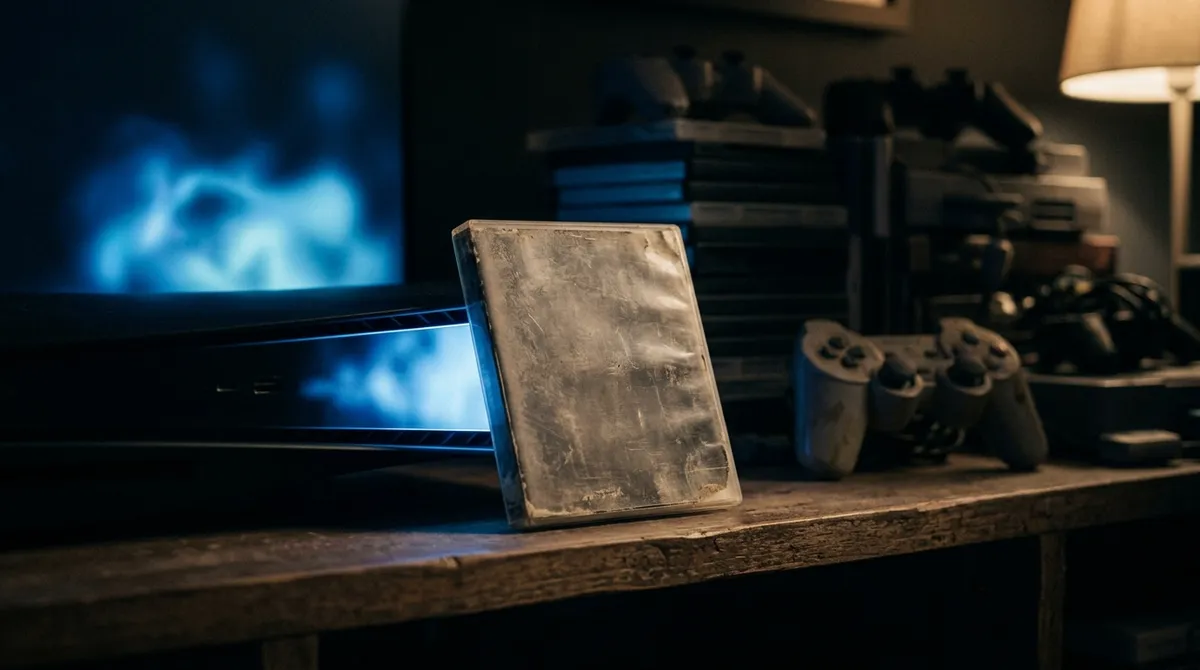
Have you ever taken the time to showcase your physical game collection? Whether it's an impressive stack of cartridges or a meticulously maintained library of discs, sharing your collection can lead to heartwarming stories. From the first-ever game you purchased to the rare find at a flea market, every piece tells a tale. For many, these collections serve as personal photo albums, reminding us of moments and experiences that shape our gaming lives.
Nostalgia vs Digital Convenience
The rise of digital gaming has ignited a debate: Is convenience worth the loss of nostalgia? Physical games evoke a sense of ownership and accomplishment that digital downloads simply can't replicate. Reflecting on a dusty drawer filled with DVDs or cartridges waiting to be rediscovered rivals the immediacy of downloading a game in the same way passing a favorite toy to a friend lights up the childlike joy in all of us.
The Economics of Digital-Only Games
It's important to consider how businesses benefit from shifting solely to digital formats. Without the ability to resell or share games, consumers become effectively locked in to a rental model. This raises questions about the long-term implications of a digital-only future. What happens to gaming culture when everything we play is just a rental tied to corporate servers? Will we still feel that sense of ownership, or will it vanish into the ether of licensable products?
What Future Generations Will Miss
As we navigate this digital shift, it's crucial to think about the experiences that come with physical media that today’s youth may never know:
- The Hunt for Old Favorites: There’s something special about rediscovering an old game tucked away in a drawer, the thrill of remembering the joy it once brought.
- Passing Games to Friends: The casual act of sharing games with a friend fosters connections that can’t be replicated with a simple download link.
- A Sense of Accomplishment: Owning a physical game feels more permanent and rewarding, adding depth to the gaming experience.
Embracing the Change but Cherishing the Past
While we can't halt the march of progress, we can choose to cherish our memories and experiences attached to physical games. Sharing stories, creating content around our collections, and discussing the importance of ownership can help preserve that vibrant culture, even as we move forward into a predominantly digital landscape.
In conclusion, the shift to digital-only gaming isn't merely a trend; it represents a cultural change that transforms how we interact with the games we love. As we say goodbye to physical copies, let’s not forget the emotional significance they carry, and let's ensure future generations understand what they’re missing. After all, gaming is not just about the games we play, but the stories and memories we build along the way.