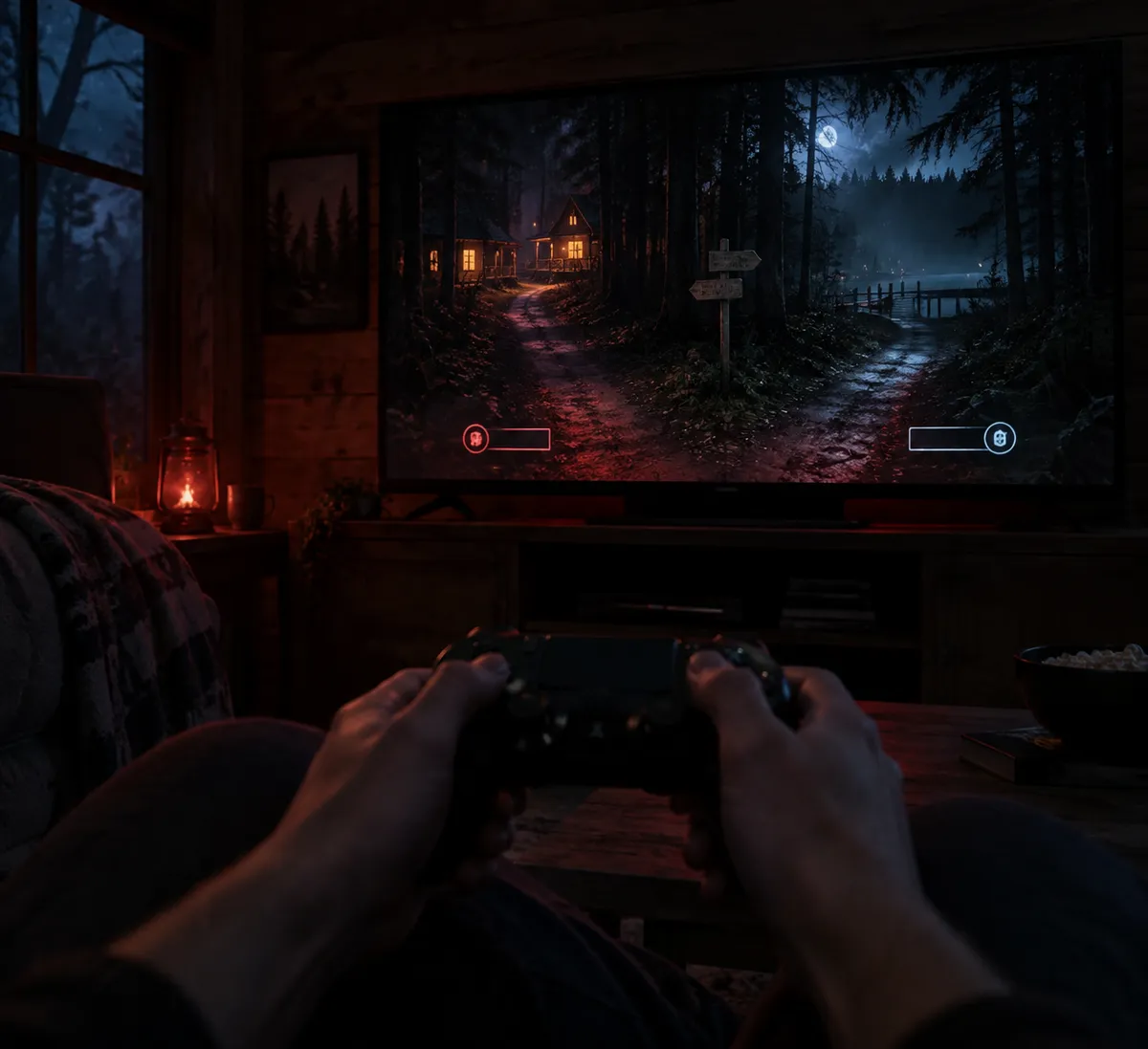

Recent research sheds light on a troubling trend within the world of free-to-play video games: while many players enjoy their favorite titles without spending a dime, a small group of dedicated players, often called "heavy spenders," end up pouring vast sums into their gaming experience. This article will break down the psychological tactics these games employ—often referred to as "dark patterns"—to encourage compulsive spending, drawing parallels between in-game purchases and gambling.
What Are Dark Patterns?
Dark patterns are design techniques that manipulate users into making decisions that may not be in their best interest. In the context of free-to-play games, these patterns exploit players' behavioral tendencies, creating an environment where spending becomes almost inevitable. For instance, many games use confusing pricing schemes, artificial scarcity, persistent prompts, and fear of missing out (FOMO) to keep players engaged and spending.
Confusing Prices
One common dark pattern is the use of complex pricing structures. For many games, the price of in-game items or currency isn't displayed in a straightforward manner. Instead, players may encounter bundles filled with various items at different price points, making it challenging to determine the real value or understand how much they are actually spending.
Artificial Scarcity
Games often implement artificial scarcity to create urgency around purchases. For example, limited-time events and rotating store items encourage players to make impulse purchases, fearing they will miss out on exclusive content if they wait. This tactic can lead to money being spent quickly, without adequate time for players to reflect on their purchases.
Persistent Prompts
Another technique involves persistent prompts that nudge players toward making purchases at every turn. Whether through pop-ups suggesting in-game advantages for a small fee or reminders about unavailable items, these constant nudges create a sense of urgency that can push players into making hasty buying decisions.
The Gambling Parallels
The financial behaviors of heavy spenders in free-to-play games can resemble those seen in gambling addiction. The reliance on chance and the thrill of potential rewards play into similar psychological patterns. Players invest emotionally in their gaming experiences, leading to compulsive spending behavior that mirrors the compulsion to gamble. This alarming fact raises significant concerns as regulatory bodies begin to scrutinize these practices more closely.
Implications for Parents and Players
With free-to-play games gaining mainstream popularity, especially among teens, the need for awareness is at an all-time high. Parents should educate themselves about these dark patterns to help their children navigate the gaming landscape responsibly. Recognizing when in-game purchases become compulsive is crucial for maintaining healthy gaming habits.
Recognizing When Spending Becomes Compulsive
If you or someone you know plays free-to-play games, consider these guidelines:
- Set Spending Limits: Establish a budget for in-game purchases and stick to it. Using pre-paid cards may help control spending.
- Monitor Time and Spending: Keep track of how much time and money is spent within games. Regular checks can help identify patterns of excessive spending.
- Educate on Game Tactics: Understanding dark patterns can empower players to make informed decisions, resist impulse buys, and appreciate the free aspects of the game.
Conclusion
As free-to-play games continue to evolve and dominate the gaming scene, being aware of psychological tactics designed to encourage spending is essential. By understanding dark patterns, players and parents can better navigate these virtual marketplaces, ensuring a more balanced and enjoyable gaming experience. Stay informed, stay aware, and remember: just because a game is free to play, doesn't mean it comes without strings attached.