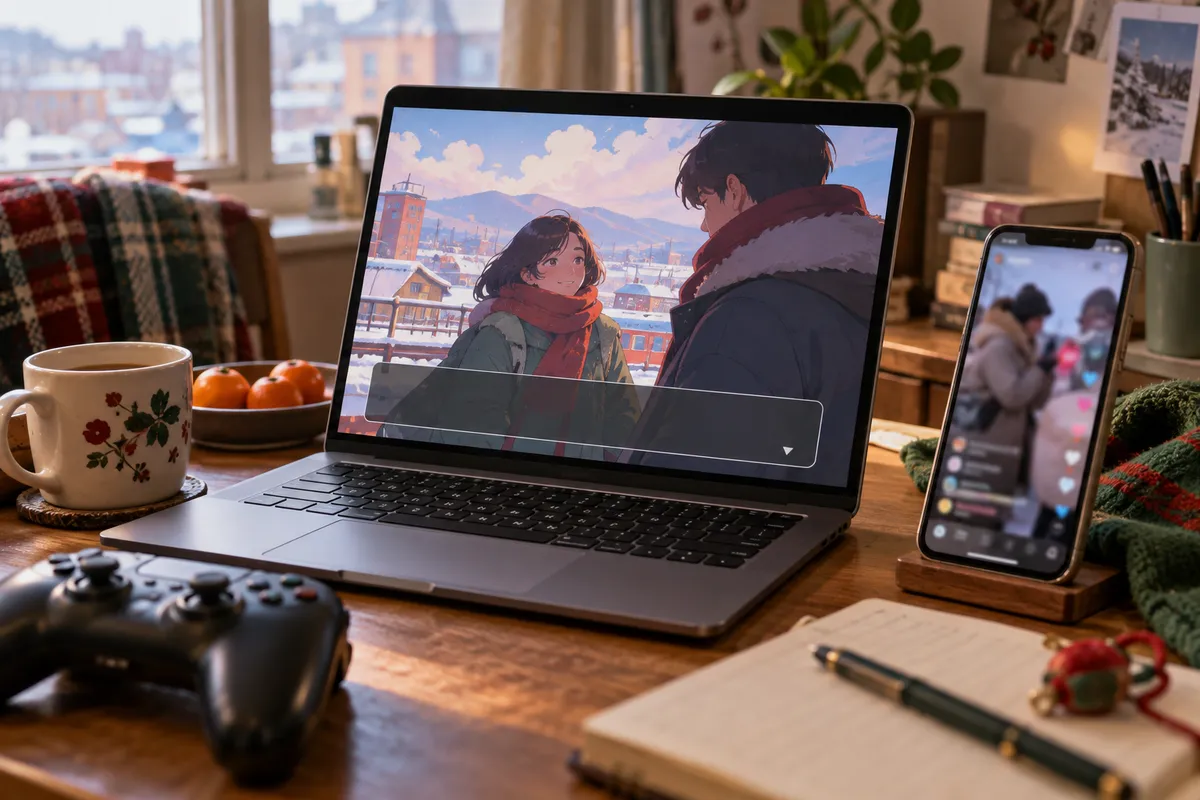
A staged feud between Dongbei livestreamers in 2016 has now become a Steam game. Per Sixthtone, a video content creator has reimagined the characters and jokes of the meme universe "Once Upon a Time in Dongbei" as A Summer in Northeast China, a hit gal game. If you want to understand how a joke turns into a game that real players buy, this story is a clean case study.
The Origin: A Feud Made for the Feed
The starting point, according to Sixthtone, was a staged 2016 feud on Kuaishou between livestreamers from Dongbei, the northeastern region of China. It was theater, not a real grudge, and audiences treated it that way. The chaos spread into a full meme universe known as "Once Upon a Time in Dongbei," with recurring characters and running jokes that fans could remix.
That last detail matters. A meme with a cast and shared lore gives a game something to work with. Players arrive already knowing who everyone is.
The Game: A Gal Game With Local Roots
A Summer in Northeast China is a gal game, a genre built on character interaction and story. Sixthtone reports it was built by a video content creator who took the meme's characters and jokes and repackaged them for a new generation of players. It has found success on Steam as a polished indie release.
The article's central argument is that the game works because it translated regional humor, dialect, and participatory fan culture into that format without losing its local roots. In other words, it didn't sand off the specifics to appeal to everyone.
Why Dialect and Local Humor Do the Heavy Lifting
Regional dialect is one of the things that makes internet culture feel authentic. Dongbei speech is part of the joke's identity, and a game that keeps it signals to fans that it understands the source. For the original audience, that is the difference between a tribute and a cash-in.
The takeaway for developers: specificity can be the selling point. A narrow, recognizable voice can be easier to love than a generic one.
The Bigger Context: The "Dongbei Renaissance"
Sixthtone frames the game as part of what it calls the "Dongbei Renaissance," in which China's Rust Belt identity is being remixed through comedy, games, livestreaming, and anime-inspired aesthetics. Seen that way, the game isn't a one-off. It's one expression of a region reclaiming and reshaping how it's represented online.
The timing also lines up with growing visibility for Chinese regional culture, nostalgia, and indie games, a mix that suggests memes can become serious creative IP across platforms.
What Creators and Players Can Take From It
This is our read, built on the facts above, not a claim from the report:
- Start with a community that already exists. The meme's fans came with built-in familiarity, which is a head start no ad budget replicates.
- Keep the in-jokes intact. Translating the humor faithfully, rather than diluting it, is what the reporting credits for the game's success.
- Let fans participate. The meme grew through participation, and the game carries that spirit into a new format.
- Polish matters. A meme can be chaotic. The product still has to feel finished.
What to Do Next
If you're curious, look up A Summer in Northeast China on Steam and see how it handles its humor and dialect. If you make things yourself, ask which jokes in your community have a cast of characters and a shared language. That's where a game might already be waiting.