
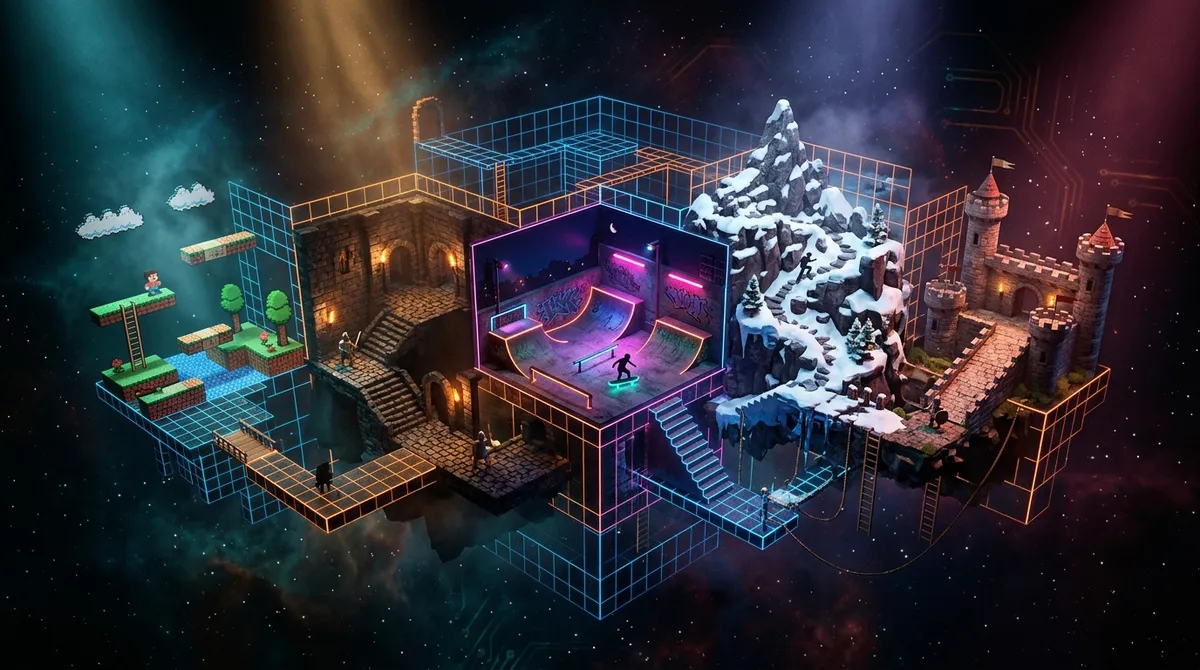
Masterful Level Design in Video Games
If you’ve ever played a game that felt completely seamless, where every level pulled you deeper into the experience without a single tedious moment, you know the power of flawless level design. This week, we’re diving into ten iconic titles recognized for their exceptional level craftsmanship and why they continue to resonate with gamers today.
1. The Legend of Zelda (NES)
The Legend of Zelda set the bar high for adventure games, introducing players to expansive worlds filled with clever puzzles and hidden secrets. Every dungeon and overworld area feels meticulously crafted, allowing players to explore at their own pace while gradually learning game mechanics.
2. Tony Hawk's Pro Skater 2 (PS1)
Tony Hawk's Pro Skater 2 is often hailed as one of the best sports games of all time. Each level is designed to encourage creativity, allowing players to chain combos and master tricks. The iconic level layouts keep players engaged without redundancy, creating a near-flawless skating experience.
3. Mega Man X (SNES)
A hallmark of platforming excellence, Mega Man X combines tight controls with perfectly paced levels that are as challenging as they are satisfying to beat. Each boss's design directly integrates into the level, creating a cohesive experience that feels rewarding every time you replay it.
4. Super Mario Bros. 3 (NES)
Super Mario Bros. 3 redefined what platformers could accomplish, offering an impressive variety of level designs, each introducing new mechanics. From flying raccoons to underwater explorations, the game's careful pacing ensures that players remain engaged without feeling overwhelmed.
5. Celeste (Multiplatform)
Celeste may seem like a recent title, but its level design has earned it a lasting legacy. The game’s chapters are not just about platforms and obstacles; they narrate player growth and emotional struggles, showcasing how thoughtful design can elevate gameplay to extraordinary heights.
6. Dark Souls (Multiplatform)
Dark Souls is well-known for its challenging gameplay, but its level design deserves equal praise. The interconnected areas create a sense of discovery and mastery, rewarding players who explore every dark corner and making each victory feel monumental.
7. Hollow Knight (Multiplatform)
Like a graphically stunning version of Dark Souls, Hollow Knight combines beautiful art with intricate level design. The game’s world is full of interconnections and learnable shortcuts that create engaging exploration, keeping players on their toes.
8. Braid (Multiplatform)
Braid took platforming to the next level with its unique time-manipulation mechanics. Each level is a puzzle in itself, cleverly designed to teach players the mechanics without overt instruction, making every completion an achievement in itself.
9. Portal (Multiplatform)
Portal’s use of its iconic portal mechanics pushed the boundaries of puzzle design. Each test chamber builds upon the previous one, introducing new challenges that require creative solutions, transforming the concept of level progression into an art form.
10. Ori and the Blind Forest (Multiplatform)
Ori and the Blind Forest combines emotional storytelling with stunning visual design, creating levels that feel alive. The game’s fluid platforming mechanics and breathtaking environments encourage players to explore, making each area a masterpiece.
Why These Games Matter Today
Level design has seen a renaissance in recent years, especially with indie developers leading the charge. Players are yearning for the depth and creativity embodied in these timeless titles, demonstrating that thoughtful design can triumph over flashy graphics. As gaming continues to evolve, analyzing these masterpieces offers valuable lessons for both developers and players.
Whether you’re a veteran gamer reliving the classics or a new player eager to discover these gems, each of these games showcases the pinnacle of level design. Dive in, and you’ll see why they stand the test of time, providing flawless experiences level after level.