A Different Kind of Tribute
While the gaming industry continues its love affair with remaking classic titles, one indie developer is taking a decidedly unconventional approach to the beloved JRPG Chrono Trigger. The Remake of the End of the Greatest RPG of All Time isn't actually remaking the Square Enix classic—instead, it's using the concept as a vehicle for something far stranger.
According to reports, this upcoming PC game blends RPG elements with puzzle mechanics and meta-commentary to explore what "remaking" a beloved game actually means. Rather than delivering a straightforward homage, the title appears to be a critique wrapped in an interactive mystery.
Breaking the Fourth Wall Through Design
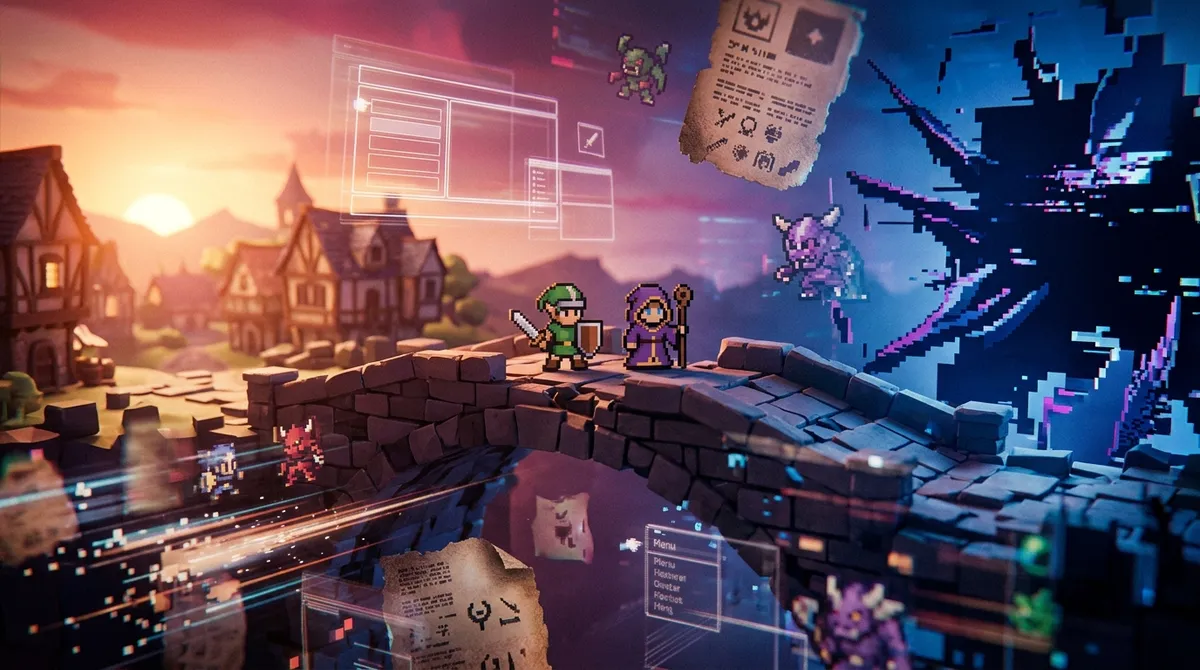
The game reportedly uses an array of unconventional elements to tell its story, including in-game manuals, intentional glitches, fabricated developer documentation, and hidden clues scattered throughout the experience. These components work together to create what's being described as a "game-within-a-game mystery" that challenges players' expectations about both classic RPGs and modern remake culture.
This approach positions the title within the growing trend of indie puzzle-box games that deliberately blur the lines between intentional design choices, apparent bugs, and hidden secrets. Players are expected to dig deeper than surface-level gameplay to uncover the true nature of what they're experiencing.
Timing and Cultural Context
The game's arrival comes at a particularly relevant moment in gaming culture. Classic RPG nostalgia continues to drive major remake projects, ports of vintage titles, and heated fan debates about how beloved games should be preserved or updated. According to reports, this indie title serves as a timely critique of how players, developers, and internet culture approach these cherished gaming experiences.
Chrono Trigger, originally released in 1995, remains a touchstone for RPG design and storytelling. Its influence on modern game development and the passionate devotion of its fanbase make it an ideal subject for the kind of cultural examination this new title appears to offer.
The Anti-Remake Philosophy
What makes The Remake of the End of the Greatest RPG of All Time particularly intriguing is its position as what could be called an "anti-remake remake." Instead of attempting to recreate or improve upon Chrono Trigger, it uses the game's legacy as raw material for exploring broader questions about fandom, authorship, and the emotional weight attached to remaking classic games.
This approach reflects a growing trend among indie developers who use gaming as a medium for cultural criticism. Rather than simply entertaining players, these titles challenge audiences to think critically about gaming culture itself, including the sometimes problematic relationship between nostalgia and creative innovation.
Technical Innovation Through Narrative
The integration of glitches as storytelling elements represents an interesting technical approach. According to reports, these aren't accidental bugs but deliberate design choices that serve the game's larger narrative about broken games and the nature of digital preservation. This technique transforms what would typically be considered technical failures into meaningful gameplay mechanics.
The use of fake developer documentation and hidden clues suggests a deep dive into the mythology surrounding game development, potentially offering commentary on how players relate to the creators and development processes behind their favorite titles.
Looking Forward
As the gaming industry grapples with questions about how to handle beloved classic properties, The Remake of the End of the Greatest RPG of All Time offers a unique perspective on these challenges. Rather than providing answers, it appears designed to provoke questions about why remaking classics carries such emotional weight and what that reveals about gaming culture.
For players seeking traditional RPG experiences, this title may not deliver what they expect. However, for those interested in games that challenge conventions and explore the medium's potential for cultural commentary, it represents an intriguing experiment in using beloved gaming nostalgia as a foundation for something entirely different.
The game's ultimate success will likely depend on its ability to balance its conceptual ambitions with engaging gameplay, ensuring that its meta-commentary enhances rather than overshadows the core interactive experience.