A Different Kind of Chrono Trigger Tribute
While the gaming industry continues churning out remakes and remasters of classic titles, one indie developer is taking a decidedly different approach to honoring Chrono Trigger. The Remake of the End of the Greatest RPG of All Time isn't actually remaking the beloved Square classic—instead, according to reports, it's using the framework to ask deeper questions about what "remaking" even means in modern gaming culture.
This PC indie title reportedly combines RPG elements with puzzle mechanics and meta-commentary, creating what appears to be more of a playable critique than a traditional game. Rather than simply recreating Chrono Trigger's time-traveling adventure, the project explores the complex relationship between players, developers, and the beloved games that continue to influence modern design.
When Glitches Become Features
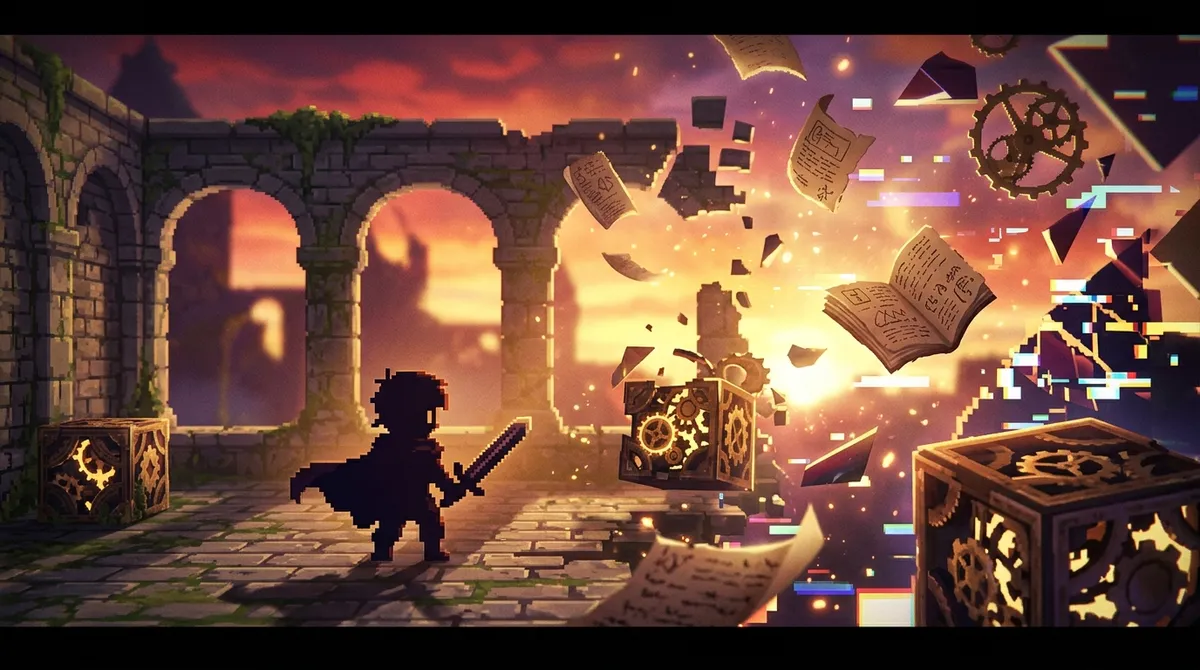
According to reports, the game employs an unusual mix of elements including manuals, glitches, fake development documents, and hidden clues to create what's described as a "game-within-a-game mystery." This approach taps into the current indie trend of puzzle-box games that deliberately blur the lines between bugs, secrets, and intentional design choices.
The timing feels particularly relevant as classic RPG nostalgia continues driving remakes, ports, and heated fan debates across gaming communities. While major publishers focus on visual upgrades and quality-of-life improvements for their classic titles, this indie project appears to be questioning the entire premise of why we remake beloved games in the first place.
The Problem with Perfect Remakes
The game's unusual approach arrives at a moment when the gaming industry is grappling with how to handle its classic catalog. Every major remake announcement sparks debates about authenticity, modernization, and whether some games are better left untouched. According to reports, The Remake of the End of the Greatest RPG of All Time positions itself as commentary on these very discussions.
Chrono Trigger remains a particularly loaded choice for this kind of commentary. The 1995 RPG is frequently cited in "greatest games of all time" discussions, and its influence on modern RPG design continues to be felt decades after its release. The game's time-travel mechanics, multiple endings, and collaborative development between Square, Enix, and Dragon Ball creator Akira Toriyama created something that many consider irreplaceable.
Indie Games as Cultural Criticism
This project represents part of a broader trend of indie developers using games as vehicles for cultural criticism. Rather than simply creating entertainment, these titles serve as playable essays about gaming culture, fandom, and the industry itself. According to reports, this particular game examines how players, developers, and internet culture treat beloved classics.
The meta-commentary approach allows the game to explore themes around authorship and ownership in gaming. Who really "owns" a classic game—the original developers, the current rights holders, or the passionate fan communities that have kept these titles alive through decades of discussion and analysis?
Beyond Simple Nostalgia
What makes this project particularly intriguing is its reported rejection of straightforward nostalgia. Instead of simply celebrating Chrono Trigger, it appears to use the classic as a lens for examining the emotionally loaded nature of remaking beloved games. This approach could resonate with players who have grown weary of endless remakes that prioritize visual improvements over meaningful innovation.
The game's puzzle-box nature also reflects a growing sophistication in how indie developers approach interactive storytelling. Rather than delivering a traditional narrative, the project reportedly requires players to piece together meaning through investigation, analysis, and interpretation—much like the fan communities that have spent years dissecting every aspect of classic games.
A Timely Arrival
As the gaming industry continues to mine its past for remake opportunities, The Remake of the End of the Greatest RPG of All Time offers what appears to be a thoughtful counterpoint to the trend. Rather than simply recreating the past, it challenges players to think about why we're so drawn to these classic experiences and what we really want from the games that shaped us.
Whether this experimental approach will resonate with broader gaming audiences remains to be seen. But for players interested in games that challenge conventions and explore the medium's relationship with its own history, this strange tribute to Chrono Trigger presents an intriguing alternative to traditional remake culture.